How to identify minerals
By Varyan Jain5 min read
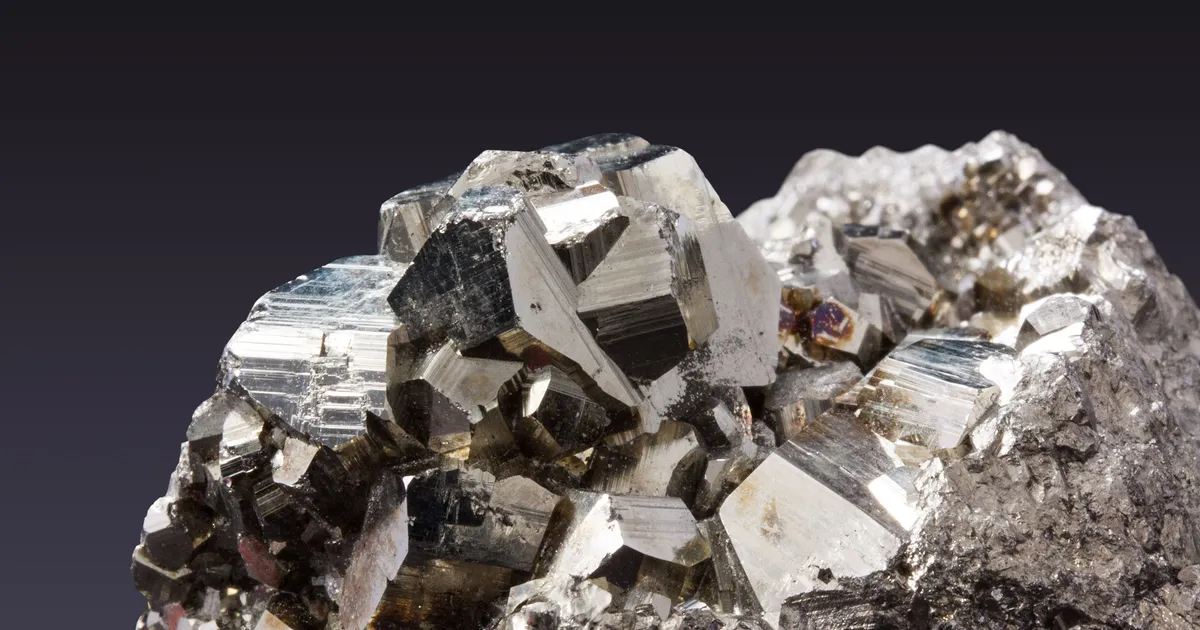
Identifying Minerals
You may have seen crystals in the museum and stared at them in awe. Well, minerals are those crystalline ingredients that make up the Earth, from the purple amethysts to the iridescent beauties like opal.
The International Mineralogical Association recognizes over 6000 minerals today, but only a few dozen are widespread enough, meaning that you don’t have to sift through thousands of names and properties to identify minerals in your everyday life!
To identify minerals, we have to utilize various clues from luster to color(sometimes!) to crystal shape, and we’ll explore many of the common properties used for identification and some of the common minerals!
Note: Identifying a mineral based on a picture is much more difficult than having physical access
1. Color:
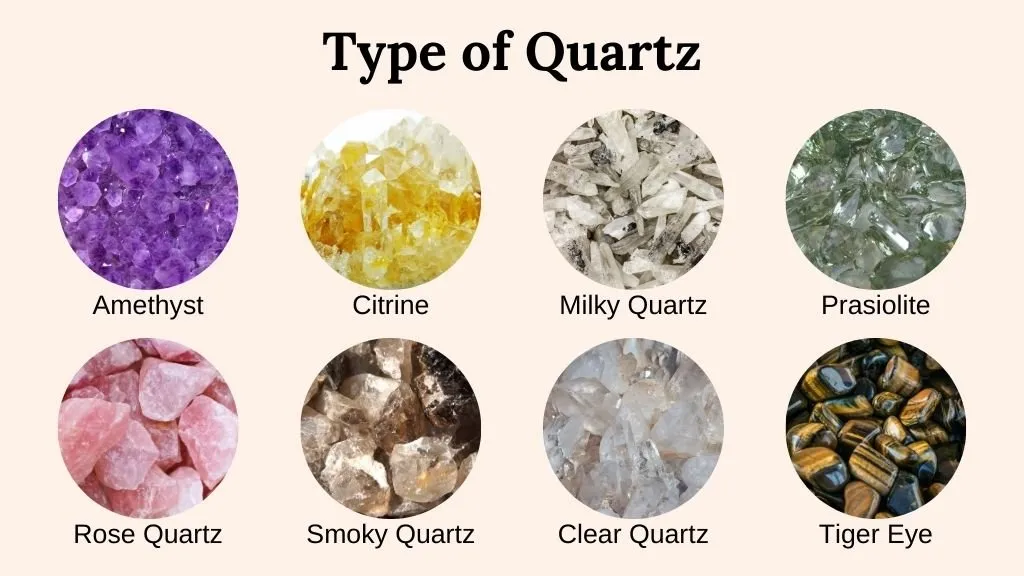
Color is usually the first thing we notice about a mineral, but it’s not always the most reliable clue. That’s because small impurities can completely change a mineral’s color.
For instance, these are all varieties of quartz:That’s why geologists look beyond surface color to other properties.
2. Streak:
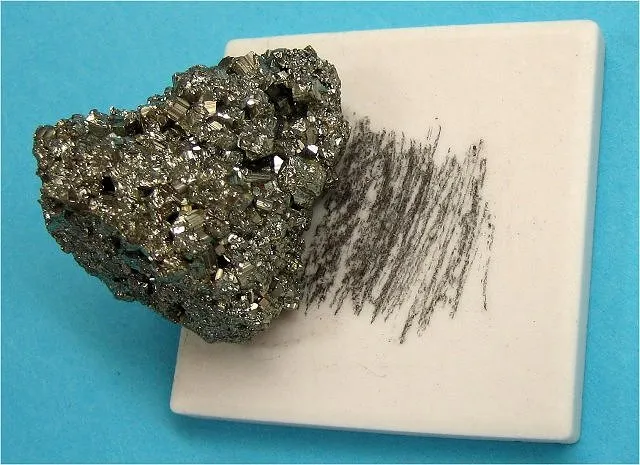
Streak is the color of a mineral’s powder, usually found when rubbed on an unglazed porcelain plate. This is often more reliable than color because it remains unaffected by impurities. e.g. Pyrite (fool’s gold) may look like gold, but its greenish-black streak can give it away.
3. Luster:
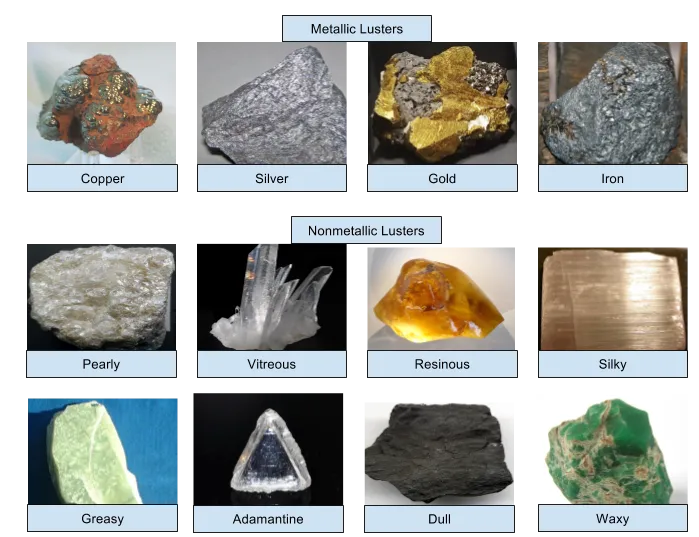
Luster describes how a mineral reflects light and can be particularly helpful when differentiating minerals, especially between metallic vs nonmetallic lustrous minerals.
Here are some of the more common ones but many other types exist:
- Metallic – shines like metal (Pyrite, Galena)
- Vitreous – looks like glass (Quartz, Topaz)
- Pearly – soft iridescence like that of a pearl (Muscovite)
- Dull/Earthy – poor reflector of light (Kaolinite)
Other interesting categories are adamantine (resembling a diamond, transparent and significantly refract light). While luster is one of the most optical properties to look for, there are many others as well like labradorescence, chatoyancy, birefringence, or asterism that you can research into more as you hone in your skills.
4. Hardness:
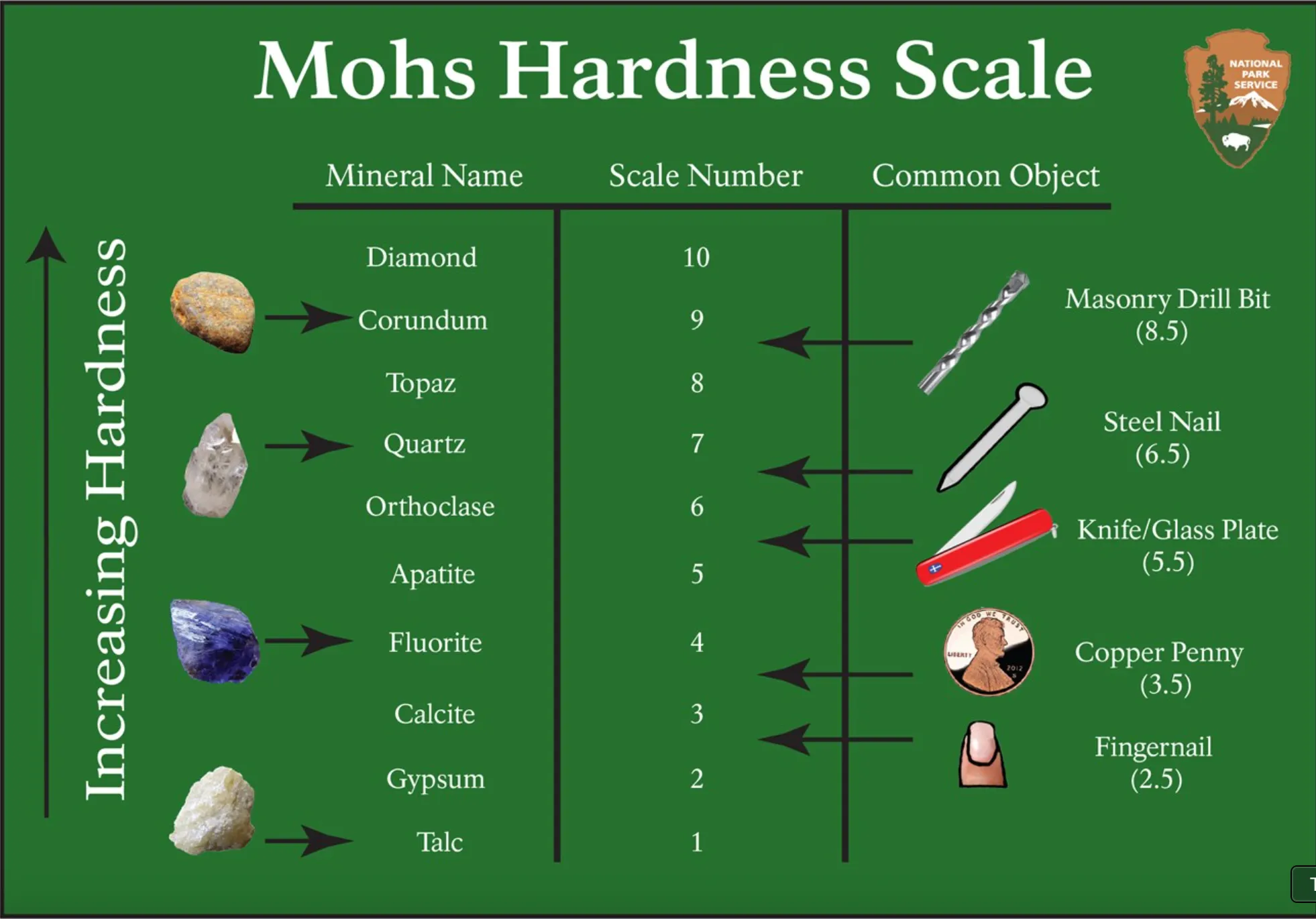
The Mohs Hardness Scale ranks minerals from 1 (softest) to 10 (hardest) based on their resistance to scratching.
The scale is arranged from lowest to highest resistance to scratching, organized ordinally instead of with some fixed formula or function. You can utilize common objects or other minerals to compare hardness:
5. Cleavage and Fracture:
How a mineral breaks can be just as distinctive as its color or hardness.
- Cleavage happens when a mineral splits cleanly along planes of weak atomic bonds.
- E.g. Mica splits into paper-thin sheets
- Fracture occurs when a mineral breaks unevenly or irregularly, without specific planes.
- E.g. Quartz shows conchoidal fracture, meaning it breaks like glass, along smooth curved surfaces.
6. Density and “Heft”:
Pick up two similar-sized minerals. One feels light and airy; the other, surprisingly heavy. That’s density, the ratio of a mineral’s weight to its volume. We often compare it to that of an equal volume of water, also known as specific gravity. This specific process is called hefting.
E.g. Galena (PbS) feels extremely heavy for its size because of its heavy metal content
7. Crystal Form and Habit
Every mineral forms a specific crystal shape based on its atomic pattern (depends on the crystal system it crystallizes in)
- Halite (NaCl) forms perfect cubes.
- Quartz (SiO₂) grows as six-sided prisms ending in six-sided pyramids.
- Pyrite(FeS) often forms shiny cubes or twelve-sided pyritohedrons(dodecahedra)
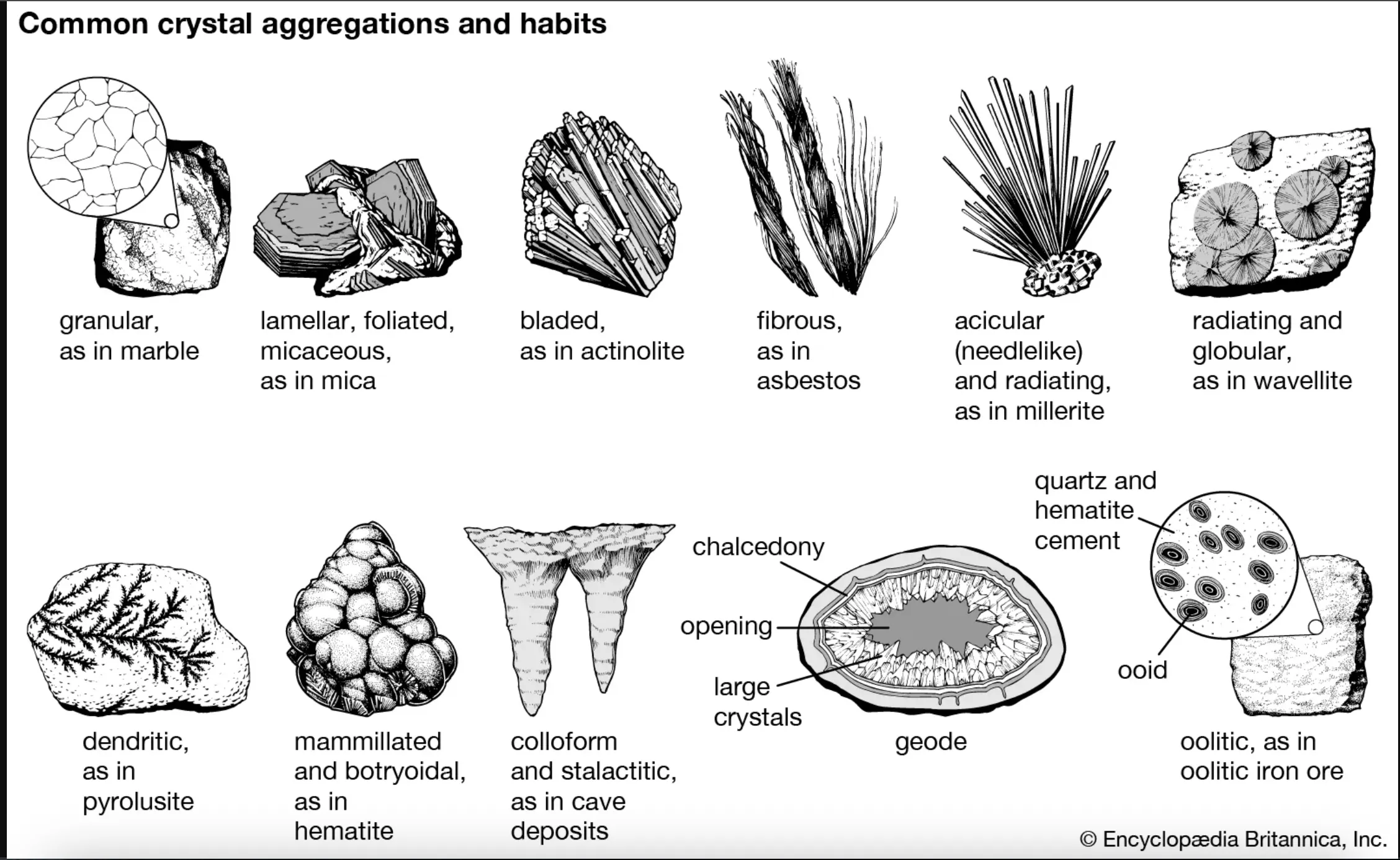
Even when crystals aren’t well-formed or aka anhedral crystals, their habit can reveal their identity. Habit refers to the larger scale external shapes that crystals or aggregates of crystals form and grow in. These are often what I use more as well, here are some below:
8. Special Properties:
Some minerals have distinctive traits that make identification exciting:
- Magnetism: Magnetite is naturally magnetic — it can attract small metal objects.
- Acid Reaction: Drop a bit of dilute hydrochloric acid on Calcite, and it will fizz as carbon dioxide bubbles form(Effervescence). This occurs with various other carbonate minerals as well.
Many other unique properties exist that we don’t mention, but you can find more online.
9. Identifying a mineral
When identifying a mineral, geologists combine multiple properties, and with practice, you can get this skill as well. You can get practice rock identification kits, go to your local university, or practice online with something like: https://www.scioly.rocks/
Why Mineral Identification Matters
Identifying minerals isn’t just a fun field skill, but it actually has many use cases in science and everyday life.
- Reconstructing past environments and tectonic activity
- Identifying valuable ore minerals to build everything we use today!
- Even space scientists identify minerals on other planets to understand extraterrestrial geology and possibility of life. E.g. Leopard spots on mars detected by Mars perseverance rover show signs of vivianite and greigite (minerals associated with a strong sign of previous life)
Each mineral you pick up has a rich history of formation over billions of years, so go outside, and test out your mineral identification skills!
If you have any questions about any of this material or have any comments, please go to the contact us page and select general inquiry and ask a question! Thanks!
Below is a good reference video which also covers this content: